Quick answer
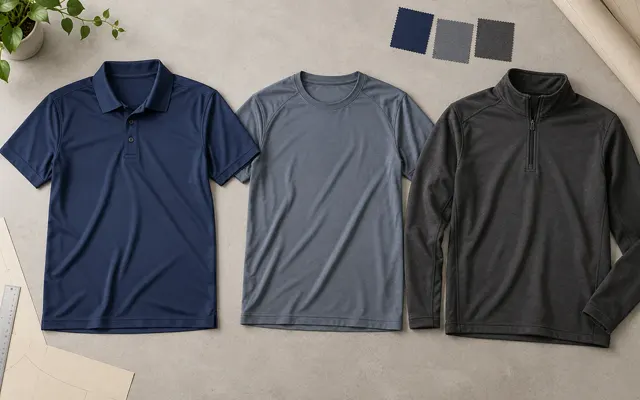
Use a shared pattern block when the tops should fit the same wearer in the same way and the fabrics and construction can support that fit. Develop a separate block when the fit, body shape or freedom of movement changes enough to affect the base pattern. Approve each finished style in its intended fabric before bulk.
The question behind this guide
Can two training tops share one base pattern without changing how they fit?
In its November 2026 full-year results, ASOS described using more standardised fit blocks across menswear alongside changes to fabrics and construction. This is one retailer’s approach.
The comparison covers fit intent, development files and sample decisions for related training tops. It does not estimate savings or extrapolate ASOS results.
Key takeaways
- Start with the fit customers should experience in both styles.
- Separate the shared base from each style pattern and finished garment.
- Compare stretch direction, recovery and drape in the intended fabrics.
- Keep style-specific versions and written rules for reusing the block.
Compare both routes before you quote
SenLin publishes this guide as an apparel supplier. Neither route establishes an order minimum, fee or timetable. Ask for a quotation showing pattern work, sample rounds and approval requirements by style.
| Decision | Shared block | Separate blocks |
|---|---|---|
| Fit goal | One fit family with defined style changes | Distinct fits, wearers or activities |
| Development record | Parent block ID plus each style version and exceptions | Independent base and style files |
| Sample review | Compare both tops on a common fit reference | Review each top against its own fit goal |
| Reorder control | Use the released style version and approved fabric | Use that style’s independent release record |
Check the fabric before reusing a block
Compare stretch across and along the fabric, recovery, drape, and how the neckline and seams sit in the finished top. Two fabrics with the same fibre description or weight can still fit differently.
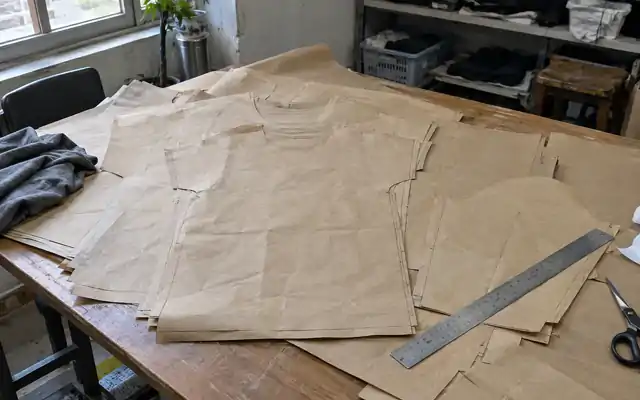
If the fit can be kept with local changes, write those changes into the individual style files. If a top needs a materially different shoulder, armhole or body shape, treat it as new fit development. Copying measurements alone does not reproduce the original fit.
Decide which fit changes carry forward
When a revised style fits better, ask whether the correction belongs to that style or the shared base. A neckline correction tied to one fabric may stay in that style file. If you revise the common block, list the affected styles and agree which samples must be checked again before the next order.
Approve both finished tops and record the versions
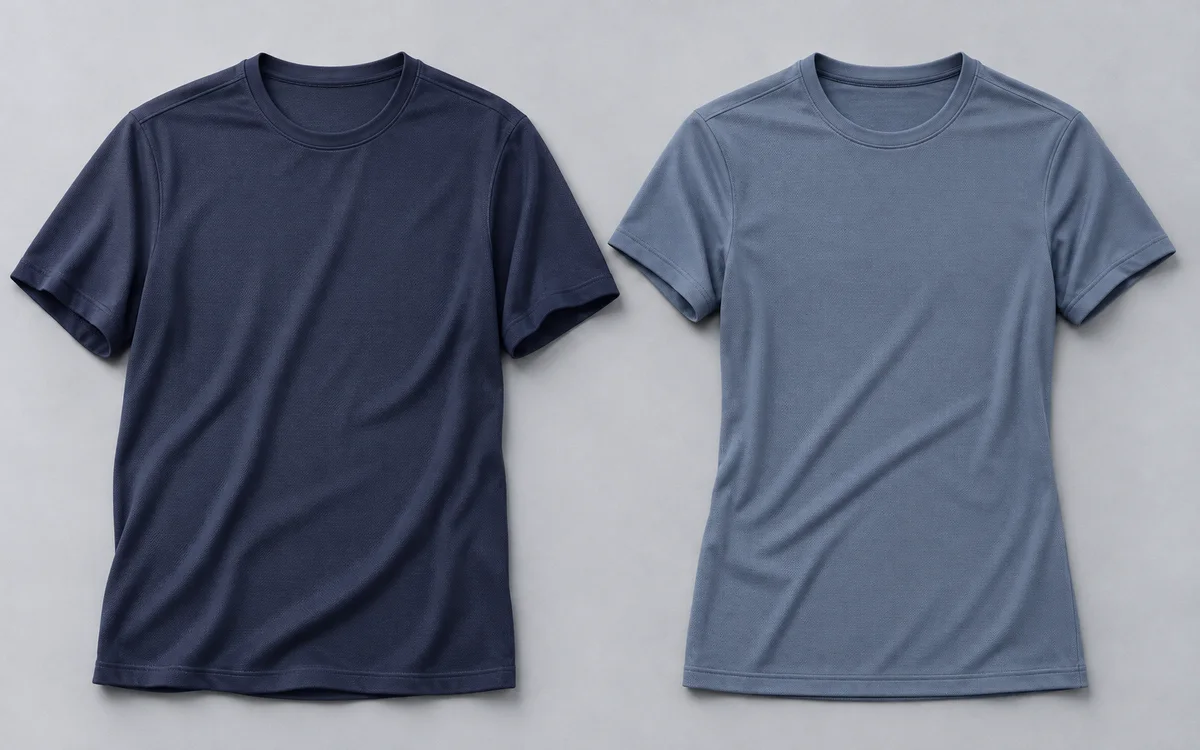
Fit both styles using the same wearer and size reference where they share a fit goal. Check shoulder position, sleeve movement, neckline and overhead reach. If materials or activities differ, also check the movement and care conditions relevant to each.
Use the separate grading guide to decide which other sizes need checking. Record the parent version, each derived style, approved fabrics and final fit notes. Ask who can use or share the files and whether a future base revision should carry into earlier styles.
This guide covers ordinary training tops. It does not establish compression or protective performance, pattern ownership or fit across markets. Confirm those separately when applicable.
Developing two related training tops? Send SenLin your fit reference, materials and style differences. Ask which changes need separate development or sampling before comparing quotes.
Continue your buyer research
Connect this decision to the relevant product, factory process and frequently asked questions before requesting a quotation.
Frequently asked questions
Is a block the same as a size chart?
No. A size chart lists measurements. A block defines the base shape, balance and geometry from which a style is developed.
Can polyester and nylon tops share a block?
Possibly. Compare the actual fabrics and intended fit and sample both styles. Fibre names alone do not establish similar behaviour.
Can the tops carry the same fit name?
Yes, if each approved style delivers the same fit. Check measurements and movement before using the name.
Does a shared block remove the need for a second sample?
Each finished style needs approval in the intended material and construction. Confirm the sample plan for the order.
What should I send to request block reuse?
Send the fit reference, proposed styles and fabrics, plus what should stay consistent and what may change. Include any use restrictions.
Sources and evidence notes
- Company disclosure, 5 November 2026; one retailer’s menswear programmeASOS — FY26 results, product quality and fit blocks